Best PTFE Tweezers for Precision Tasks Worldwide?
When it comes to precision tasks, the right tools make a significant difference. PTFE tweezers stand out in various applications, from electronics to crafting. They are non-stick and resistant to chemicals, which allows for safe handling of sensitive components. Many professionals rely on these tools for their exceptional grip and accuracy.
Choosing the best PTFE tweezers can feel overwhelming. With so many options available worldwide, it's essential to know what features matter most. Look for tweezer tips that are fine and tapering for precise control. Lightweight designs facilitate prolonged use without fatigue. While many brands claim to offer the best, not all deliver on performance.
Reflect on your needs before purchasing PTFE tweezers. Consider the specific tasks you will tackle. You might find that some options are overpriced for what they deliver. Researching user reviews can provide valuable insights. In the end, the right PTFE tweezers can enhance your work, making every detail count.
Introduction to PTFE Tweezers and Their Applications
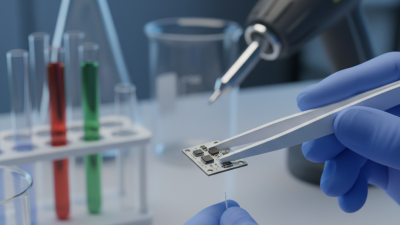
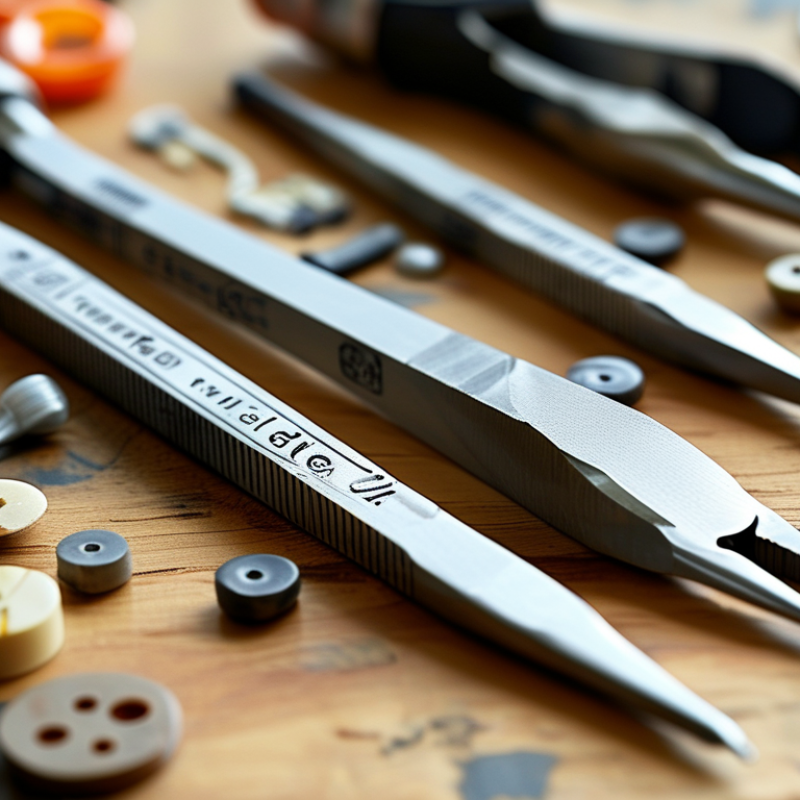
PTFE tweezers are vital tools in precision tasks. They are made from a unique polymer known for its non-stick properties. This means they won’t leave residue on sensitive components. In laboratories, these tweezers prevent contamination. They are essential for handling delicate items, especially in electronics and pharmaceuticals.
Using PTFE tweezers can seem straightforward. Yet, many users struggle with the grip. Handling small parts requires a steady hand and focus. Some may find that using PTFE tweezers takes time to master. This can lead to mistakes when precision is critical. Practicing proper techniques can improve results.
These tools can also withstand high temperatures, making them ideal for soldering tasks. Their durability ensures they last longer than many other materials. However, not all PTFE tweezers are created equal. Users should be aware of the potential for wear over time. Regular inspections can prevent unexpected failures during critical processes. Understanding these aspects enhances the effectiveness of PTFE tweezers in various applications.
Key Features to Look for in High-Quality PTFE Tweezers
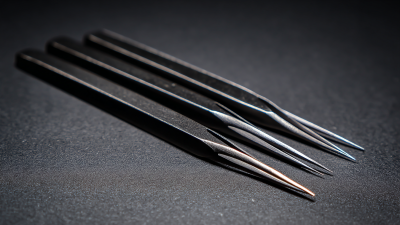
When choosing PTFE tweezers for precision tasks, several key features stand out. First, consider the tip design. A fine, pointed tip is ideal for handling small components. It allows for accurate placement. Also, check the grip of the handles. Ergonomic shapes provide comfort during prolonged use. This feature prevents hand fatigue and enhances control.
Material quality is crucial. High-quality PTFE is non-stick and resistant to heat and chemicals. This makes it perfect for electronics or delicate tasks. However, some cheaper models may not perform as well. They might warp or lose their precision after limited use. Always inspect the construction for durability. Look for tweezers that balance flexibility with strength.
Lastly, consider the length of the tweezers. A longer tweezer may reach into tight spaces easily. Yet, it could be harder to maneuver precisely. Test a few different options to find your ideal balance. Effective use of PTFE tweezers can elevate your precision tasks significantly. This blend of features ensures reliability in your hands.
Top Brands of PTFE Tweezers for Precision Tasks Worldwide
When it comes to precision tasks, PTFE tweezers offer unique advantages. They are resistant to high temperatures and chemical corrosion, making them ideal for various industries like electronics and pharmaceuticals. Recent studies highlight that PTFE's non-stick properties increase efficiency by reducing material adhesion. Precision is crucial in these sectors, where even the smallest error can lead to costly mistakes.
Choosing the right brand can affect your work. Look for professional reports that outline performance metrics specific to PTFE tweezers. Some demonstrate significant wear resistance, while others highlight tensile strength. These attributes contribute to overall durability. Not all brands offer the same level of reliability, so researching your options is crucial.
Tip: Always test PTFE tweezers in a controlled setting before full-scale use. This can reveal subtle differences in performance. Pay attention to the grip and control as well. A good set of tweezers should feel comfortable even during extended use.
Another tip is to evaluate how easy they are to clean. Maintenance impacts their longevity, which is often overlooked. Make sure to use proper cleaning solutions compatible with PTFE. Regular upkeep contributes to sustained precision and efficiency, ensuring you get the most from your tools.
Comparative Analysis of PTFE Tweezers: Strengths and Weaknesses
When selecting PTFE tweezers, a comparative analysis reveals essential strengths and weaknesses. PTFE, known for its chemical resistance, is ideal for tasks requiring precision. These tweezers are non-stick, making them useful in laboratories and for electronics assembly. However, they may lack the grip strength needed for heavier items. Users can struggle with precision when handling smaller components.
Tips: Always choose the right size. Tweezers that are too large can hinder accuracy. Consider the tip shape for specific tasks; pointed tips offer better precision, while flat tips provide more surface contact.
Another point to note is that PTFE tweezers can wear down over time, especially if used frequently. Users should be cautious of bending or misaligning them. Regular maintenance can extend their lifespan and enhance performance. Keeping them clean is crucial to avoid contamination.
Tips: Store tweezers in a protective case to prevent damage. Regularly check the tips for any nicks. This ensures reliable results in all tasks and maintains their effectiveness over time.
Best PTFE Tweezers for Precision Tasks Worldwide? - Comparative Analysis of PTFE Tweezers: Strengths and Weaknesses
| Model |
Length (mm) |
Tip Type |
Heat Resistance (°C) |
Ideal Usage |
Strengths |
Weaknesses |
| Model A |
150 |
Flat |
260 |
Electronics |
Durable, Non-stick |
Not suitable for high-torque applications |
| Model B |
120 |
Pointed |
230 |
Jewelry |
Precision grip, Lightweight |
Fragile tip |
| Model C |
180 |
Curved |
270 |
Medical |
High heat resistance, Chemical resistant |
Higher cost |
| Model D |
160 |
Straight |
240 |
Crafting |
Versatile, Comfortable grip |
Less durable with heavy use |
Care and Maintenance Tips for Longevity of PTFE Tweezers
When using PTFE tweezers, proper care is essential for their longevity. These tweezers are resistant to chemicals and heat, making them ideal for precision tasks. However, neglecting maintenance can lead to reduced performance over time. After each use, clean them gently with a soft cloth. Avoid abrasive materials that could scratch their surface.
Storing PTFE tweezers properly is also crucial. Keeping them in a protective case can prevent accidental damage. Whether in a workshop or a laboratory, ensure they are not thrown into drawers with other tools. Such care can extend their lifespan significantly. It’s easy to overlook this when multitasking.
Regular inspection is a good practice too. Check for any signs of wear or damage. This proactive approach helps identify problems before they worsen. Investing time in maintenance yields long-term benefits. Ultimately, taking these simple steps allows you to enjoy the precision and reliability that PTFE tweezers offer.