Leave Your Message

Why Choose PTFE Magnetic Stir Bars for Lab Mixing?

Why Choose PTFE Magnetic Stir Bars for Lab Mixing?

Reliable mixing depends on more than motor speed. It also depends on material compatibility, cleanliness, and repeatable fluid movement. Ptfe Magnetic Stir Bars provide a practical option for laboratories handling solvents, buffers, acids, and temperature-sensitive samples. Their PTFE coating offers a chemically resistant, low-friction surface. The coating also reduces residue retention around the bar.

Small details matter.

A 2024 laboratory automation market analysis by MarketsandMarkets identifies reproducibility, contamination control, and workflow efficiency as major laboratory priorities. A suitable stir bar supports these goals by producing consistent agitation inside beakers, flasks, and sealed reaction vessels. Its smooth surface can simplify rinsing between runs. That benefit becomes visible when a bar leaves no obvious film after washing.

The CDC and NIH’s Biosafety in Microbiological and Biomedical Laboratories guidance highlights the need to control splashes and aerosols during laboratory procedures. Controlled stirring can help operators avoid unnecessary turbulence, especially when speed increases gradually. However, PTFE is not a universal solution. Strong mechanical impacts can damage the coating, and poor sizing can create weak or uneven mixing. That caveat matters.

USP General Chapter <665> also emphasizes evaluating plastic materials that contact pharmaceutical products. This does not automatically qualify every PTFE magnetic stir bar for regulated use. Users still need supplier documentation, cleaning validation, and material traceability. ASTM D4894 provides a recognized reference for PTFE resin specifications, but finished stir bars require separate quality checks. In practice, selecting the correct length, shape, and magnetic strength may matter as much as chemical resistance. The best choice is therefore evidence-based, application-specific, and open to review after real batch experience.
Why Choose PTFE Magnetic Stir Bars for Lab Mixing?

PTFE Magnetic Stir Bars: Definition and Basic Structure

Why Choose PTFE Magnetic Stir Bars for Lab Mixing?

PTFE Magnetic Stir Bars: Definition and Basic Structure

A PTFE magnetic stir bar is a sealed mixing element placed inside a laboratory vessel. Its structure is simple: a chemically resistant PTFE sleeve surrounds a magnetic core. The core usually contains a permanent magnet, while the outer coating protects it from liquids. During operation, a rotating magnetic field beneath the vessel drives the bar without a shaft or mechanical seal. This reduces direct contact and helps maintain a cleaner working environment.

PTFE resists many acids, bases, and organic solvents, but it is not universally resistant. That distinction matters. USP General Chapter 665 highlights the importance of evaluating plastic materials for chemical compatibility and extractables. A 2024 laboratory automation market report projected growth above 5% annually through 2030, suggesting more routine mixing will become automated. Still, automation cannot correct a poorly selected bar. Shape, length, magnet strength, and vessel size influence vortex formation and mixing stability. A longer bar may improve circulation, but it can also decouple at high speed. That assumption is often missed.

Tips: Match the bar length to the vessel base. Inspect the PTFE surface for scratches, swelling, or discoloration. Rinse it promptly after use. For sensitive assays, run a blank test before relying on the result. Small details matter.
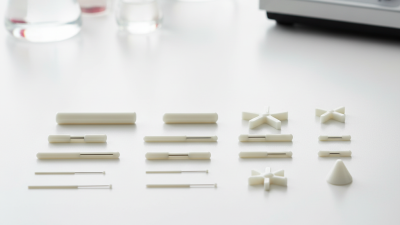

How PTFE Magnetic Stir Bars Work in Laboratory Mixing

Why Choose PTFE Magnetic Stir Bars for Lab Mixing?

A PTFE magnetic stir bar works through simple magnetic coupling. A rotating magnetic field beneath the vessel pulls the embedded magnet inside the bar. The bar spins, dragging liquid into a controlled circular flow. This motion improves heat and concentration uniformity without inserting a mechanical shaft.

The process is quiet and compact. It also reduces contact points that may trap residue. PTFE provides a smooth, low-friction surface and resists many common acids, bases, and solvents. PubChem lists PTFE’s melting point near 327°C, but practical temperature limits depend on the bar’s magnetic core and vessel. Do not treat that number as a working guarantee.

Small bars suit vials and narrow flasks. Larger bars create stronger circulation in beakers, but excessive speed can produce a deep vortex or splashing. That mistake is common. I have found that starting near 200 rpm, then increasing gradually, gives better control than using maximum speed immediately. Viscous samples may need a larger bar, a stronger drive unit, or overhead agitation.

Grand View Research’s 2024 laboratory automation report projects continued market growth through 2030, reflecting demand for repeatable laboratory workflows. Stir bars support that goal when users control speed, fill volume, temperature, and vessel shape. Inspect the PTFE coating before each run. Scratches, discoloration, or weak coupling can compromise reproducibility. Clean thoroughly between samples, and verify chemical compatibility from current safety data.

Key Advantages of PTFE for Chemical and Biological Applications

Why Choose PTFE Magnetic Stir Bars for Lab Mixing?

PTFE magnetic stir bars support reliable mixing in chemical and biological laboratories. Their chemically resistant surface tolerates many acids, bases, solvents, and aqueous solutions. The smooth coating also reduces residue buildup between batches. This matters when a solution must remain clean and visually consistent. In routine bench work, a well-sized stir bar can create a stable vortex without excessive splashing. The sealed magnetic core supports efficient mixing inside glass vessels and reaction containers. No stir bar is perfect. Strong oxidizers, extreme temperatures, or damaged coatings still require careful evaluation.

For biological applications, PTFE helps limit liquid retention because its surface is nonporous and low-friction. This can simplify cleaning after mixing buffers, media, or sample preparations. However, PTFE does not automatically make a process sterile. Researchers should confirm compatibility with sterilization methods and avoid using bars with scratches, chips, or exposed cores. Small details matter. A bar that is too short may spin unevenly, while excessive speed can stress sensitive cells or create unwanted foam. Selection should follow the vessel diameter, liquid viscosity, temperature, and required mixing intensity.

Tips: Inspect the coating before every use. Match bar length to the vessel base. Begin at low speed, then increase gradually. Record unusual noise, wobbling, or surface damage. These simple checks are easy to skip, but they often prevent inconsistent results.

Choosing the Right Stir Bar Size, Shape, and Magnetic Strength

Why Choose PTFE Magnetic Stir Bars for Lab Mixing?

Choosing the right PTFE magnetic stir bar begins with the vessel, not the catalog. Measure the vessel’s base and liquid depth. A bar that is too short may create weak circulation, while an oversized bar can scrape the glass. For small vials, a 10–15 mm bar often provides gentle movement. Larger beakers may need 25–40 mm bars. These figures are only starting points.

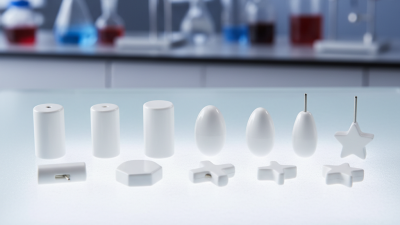
Shape changes the mixing pattern. Octagonal bars usually offer stable rotation and useful turbulence for low-viscosity liquids. Oval bars can move smoothly in narrow containers. Cross-shaped bars may improve circulation in wider vessels, but they can be noisy at high speeds. A pivot ring may reduce contact with the vessel base. I once selected a long bar for a shallow flask, expecting faster mixing. It stalled instead. The geometry was wrong.

Magnetic strength should match viscosity, volume, and vessel thickness. Stronger coupling helps with dense solutions, but excessive force may cause uneven rotation or surface damage. Adjust the speed gradually, especially when mixing powders or suspensions. Watch for wobbling, splashing, and a visible vortex. Those signs often reveal a poor size or shape choice. PTFE provides a chemically resistant, easy-to-clean surface, yet it still requires inspection. Replace bars with cracks, chips, or exposed cores. Small defects can trap residue. My own selection process still needs refinement; testing one variable at a time gives more reliable results.

Cleaning, Sterilization, and Safe Use of PTFE Stir Bars

PTFE magnetic stir bars suit many laboratory mixing tasks because their fluoropolymer coating resists moisture, acids, and many solvents. This protection supports cleaner transfers and reduces residue absorption. In daily use, inspect the bar before mixing. Look for scratches, chips, swelling, or exposed magnetic material. A bar can look clean but still hold contamination in a damaged surface.

Remove the stir bar with a suitable magnetic retriever, not forceps that may scratch it. Rinse it promptly after use. Wash with a compatible laboratory detergent, warm water, and a soft brush. Avoid abrasive pads and harsh scraping. For stubborn residue, soak the bar before cleaning. PTFE tolerates many chemicals, but the complete bar assembly may have different limits. That point deserves checking. Do not assume PTFE alone proves sterilization compatibility.

Use a validated sterilization method required by your laboratory procedure. Steam, dry heat, or chemical sterilants may affect the magnetic core, coating, or container. Follow documented temperature, time, and compatibility limits. After sterilization, check for cracks, discoloration, and reduced magnetic response. During mixing, center the bar and begin at low speed. Increase speed gradually to prevent splashing, vortex collapse, or magnetic decoupling. Keep hands away from moving equipment. A loose bar can damage glassware. Replace worn bars rather than extending their service life. Small compromises can become contamination risks.