Why Choose Lab PTFE Magnetic Stirrer Bars?
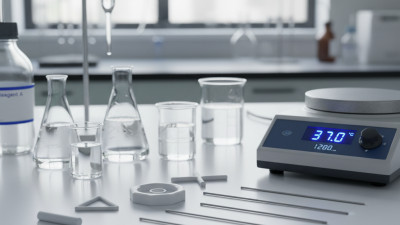
In routine laboratory work, a small stir bar can influence the quality of an entire experiment. The Lab Ptfe Magnetic Stirrer Bar is designed for controlled, repeatable liquid mixing. Its PTFE coating creates a smooth, chemically resistant surface. This helps reduce residue buildup inside glass beakers, flasks, and sample vessels. The enclosed magnetic core transfers rotation from the stir plate to the liquid. Mixing becomes steady and hands-free.
Practical experience shows that bar size matters. A two-centimeter bar may suit a small beaker, while larger vessels need stronger magnetic coupling. A properly matched bar produces a stable vortex without excessive splashing. This detail is easy to miss. Temperature also deserves attention. PTFE performs well across many routine heating and mixing applications, but users should confirm compatibility with their specific chemicals and operating conditions. Manufacturer specifications remain important.
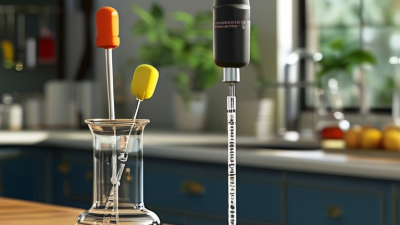
Reliability depends on more than material selection. Inspect the bar before use. Scratches, chips, or a damaged coating can affect cleaning and chemical resistance. After mixing, rinse it promptly and remove it with a PTFE-coated retrieval tool. The design is simple, yet laboratory results still depend on careful handling. No stir bar fits every procedure. That is worth remembering. Choosing a Lab Ptfe Magnetic Stirrer Bar means balancing vessel size, liquid volume, stirring speed, temperature, and chemical compatibility. When these factors are considered together, the bar becomes a practical component of a cleaner, more consistent laboratory workflow.
What Are PTFE Magnetic Stirrer Bars?
Why Choose Lab PTFE Magnetic Stirrer Bars?
What Are PTFE Magnetic Stirrer Bars?
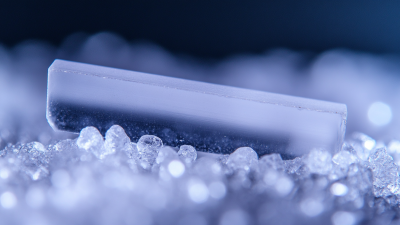
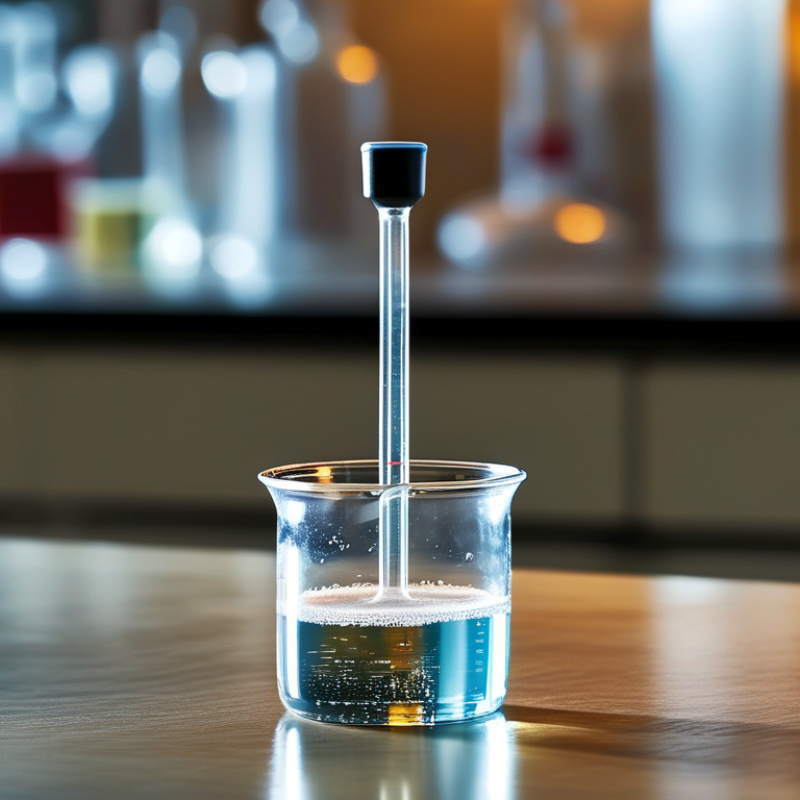
PTFE magnetic stirrer bars are sealed laboratory mixing tools. A permanent magnetic core sits inside a smooth PTFE coating. When a stir plate rotates its magnetic field, the bar spins inside a beaker or flask. PTFE means polytetrafluoroethylene, a fluoropolymer known for low friction and broad chemical resistance. The OECD’s 2021 PFAS report identifies fluoropolymers as high-molecular-weight materials with different exposure behavior from smaller PFAS compounds. That distinction matters. The coating is not simply “chemical-proof” in every condition.
ASTM D4894 lists PTFE resin density around 2.14–2.20 g/cm³. This dense material helps produce a stable, easily cleaned surface. Shape also affects performance. Cross-shaped bars improve coupling in some vessels, while oval bars reduce scraping during slower mixing. In daily laboratory work, I check the coating before use. A small crack can expose the magnetic core and contaminate a sample. I once overlooked a worn edge. That was a useful, if frustrating, reminder.
Tips: Match bar length to vessel diameter. Keep the bar fully immersed. Start at low speed, then increase gradually. Avoid excessive heat, sudden acceleration, and rough glass surfaces. Replace damaged bars promptly. “Inert” is not unlimited. Supplier compatibility charts and current safety data should guide difficult chemical applications.
Why Choose Lab PTFE Magnetic Stirrer Bars? — What Are PTFE Magnetic Stirrer Bars?
PTFE magnetic stirrer bars are laboratory stirring elements coated with polytetrafluoroethylene (PTFE).
PTFE is widely selected because it offers low friction, excellent chemical resistance, a non-stick surface,
and reliable performance across a broad temperature range.
The chart shows commonly cited reference temperatures for PTFE: approximately
260°C for continuous service and approximately 327°C for melting.
Actual operating limits depend on the chemical environment, stirring speed, pressure, load, and the
construction of the stirrer bar.
How Do PTFE Stirrer Bars Work in Laboratory Mixing?
How Do PTFE Stirrer Bars Work in Laboratory Mixing?
A PTFE magnetic stirrer bar mixes liquid through magnetic coupling. Inside the sealed PTFE coating, a small magnetic core follows a rotating field beneath the vessel. As the field turns, the bar spins with it. The rotating bar creates circulation, pulling liquid from the surface toward the center and pushing it outward along the vessel base. This movement forms a controlled vortex.
The bar’s shape affects the mixing pattern. A longer oval bar often rotates steadily in beakers, while a cross-shaped bar can create stronger movement in wider vessels. Speed matters too. Low speed may leave powder near the bottom, but excessive speed can introduce air and cause splashing.
I usually increase the speed gradually while watching the liquid surface and the bar’s position. Small adjustments work better than sudden changes.
PTFE is useful because it resists many laboratory chemicals and has a smooth, low-friction surface. It also reduces residue retention and makes cleaning easier. Still, it is not perfect. Strong impacts, sharp vessel edges, or unsuitable temperatures may damage the coating. A scratched bar should be inspected before reuse. Matching the bar length to the vessel diameter is easy to overlook, yet it strongly affects stability. Clean handling, regular inspection, and careful speed control make the magnetic coupling more reliable during routine laboratory mixing.
Which Properties Make PTFE Suitable for Lab Use?
Why Choose Lab PTFE Magnetic Stirrer Bars?
PTFE is suitable for laboratory stirring because it resists many acids, bases, solvents, and reactive mixtures. Its chemically inert surface helps prevent contamination during routine experiments. PTFE also has low friction, allowing smooth rotation with less scraping against glass or metal vessels. The material is nonporous, so residues are less likely to remain trapped. This makes cleaning simpler between tests. It is not perfect, though. Strong oxidizers and certain extreme chemicals can damage PTFE, especially under high heat.
A PTFE coating also protects the internal magnetic core from direct contact with the sample. Its wide working temperature range supports many heating and mixing tasks, but the actual limit depends on the bar design and equipment. In practice, users should inspect the surface for scratches, swelling, or discoloration. A damaged bar may shed particles or stir unevenly. That small detail matters in analytical work. Consistent size and shape also improve mixing across repeated batches.
Tips: Match the bar length to the vessel diameter. Leave enough space for steady circulation. Check chemical compatibility before use, especially with concentrated oxidizers. Avoid forcing a bar against the vessel wall. Rinse it promptly after stirring, then inspect it under bright light. Replace worn bars. They are inexpensive compared with a compromised experiment.
What Factors Should Guide Stirrer Bar Selection?
Why Choose Lab PTFE Magnetic Stirrer Bars?
What Factors Should Guide Stirrer Bar Selection?
Selecting a PTFE magnetic stirrer bar requires more than matching its length to the beaker. Chemical compatibility comes first. PTFE resists many acids, bases, solvents, and oxidizing chemicals. However, resistance changes with temperature, concentration, and exposure time. ASTM D4894 describes PTFE resin requirements, while ISO 13000-1 supports material identification and quality control. These standards help, but they do not replace a compatibility review for each experiment.
Viscosity and vessel shape also guide selection. NIST Chemistry WebBook data shows that liquid viscosity can change sharply with temperature. A small, smooth bar may work well in water but stall in glycerol. Longer bars improve circulation in wide vessels, while pivot-ring designs can reduce contact friction. Coupling strength matters too. A deep vessel, thick base, or high speed can weaken magnetic control. I have seen a fast vortex create uneven mixing. It looked successful, but samples near the wall remained almost still. That is easy to miss.
Tips: Check the chemical, temperature, vessel diameter, and liquid viscosity before ordering. Keep the bar centered and avoid running it dry. Clean PTFE gently; scratches may collect residues. Review the result visually and, when accuracy matters, verify concentration at different sampling points. The U.S. Pharmacopeia general chapter <665> also highlights the importance of evaluating plastic materials for potential extractables. PTFE is often a sensible choice, but “chemically resistant” is not the same as universally inert.