Top 10 Benefits of Using PTFE Stirring Bars in Your Lab?
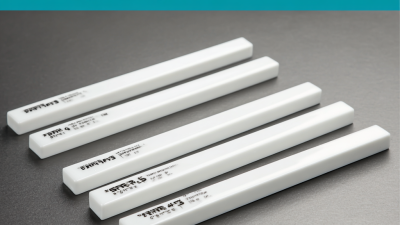
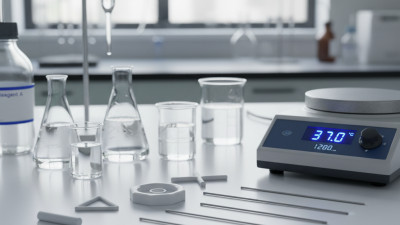
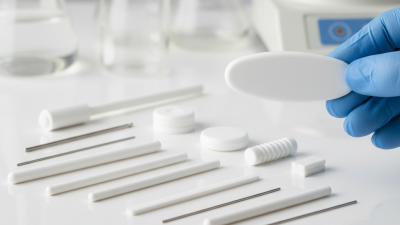
In modern laboratories, the efficiency of various experimental techniques significantly hinges on the tools we use. One such indispensable tool is the PTFE stirring bar. These unique stirrers have transformed the way scientists mix, emulsify, and heat liquid samples. They offer exceptional chemical resistance and are compatible with a wide range of substances. This versatility is crucial in preventing contamination, thus ensuring the integrity of experiments.
The reliability of PTFE stirring bars stems from their non-reactive properties. They withstand harsh conditions and maintain their performance over time. However, not all stirring bars meet the same standards. Some may have flaws in design or material quality. This can hinder optimal mixing. Therefore, understanding the benefits of PTFE stirring bars can help researchers make informed choices. It’s important to reflect on how such simple tools can have a profound impact on your lab work. By focusing on quality, scientists ensure their experiments yield valid, reliable results.
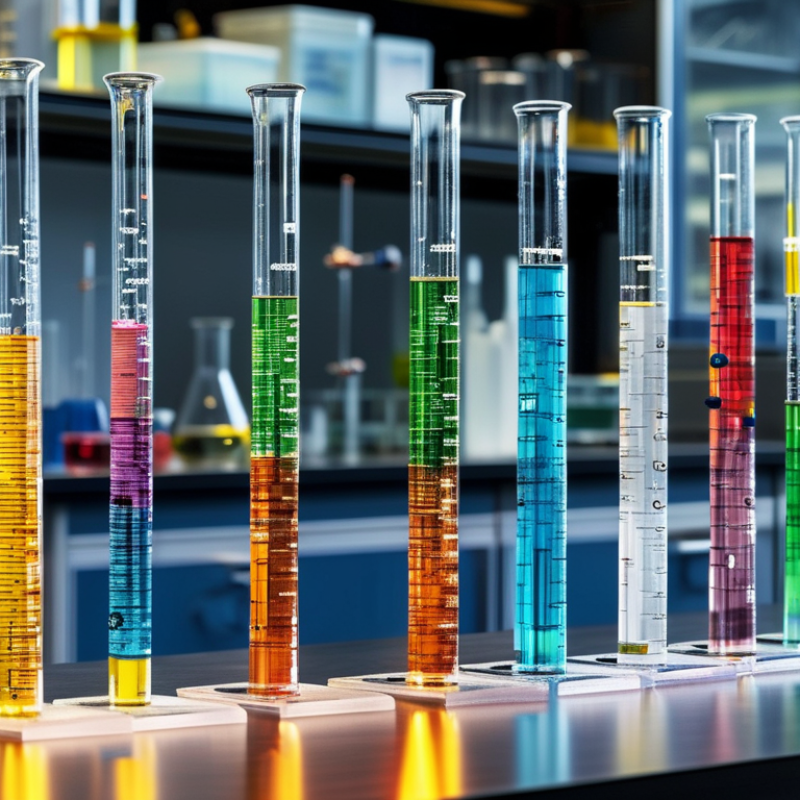
Advantages of PTFE Stirring Bars Over Traditional Materials
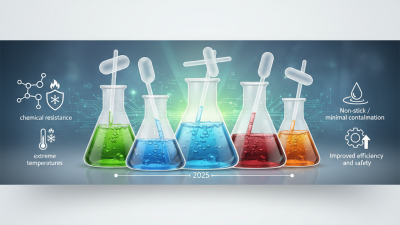
PTFE stirring bars have become a favorite in laboratories due to their unique properties. One major advantage is their chemical resistance. PTFE, or polytetrafluoroethylene, shows exceptional stability against acids and bases. This contrasts sharply with traditional materials, such as glass or metal, which can corrode or react with various chemicals. According to a study published by the Journal of Chemical Education, nearly 43% of labs faced issues with corrosion in stirring devices when using traditional materials.
The non-stick surface of PTFE also minimizes contamination risks. Studies highlight that it reduces sample adhesion by up to 70%. This ensures even mixing without the worry of substances sticking to the bar. Traditional stirring bars may require extensive cleaning, wasting valuable time. A recent market analysis indicates that 58% of lab professionals expressed dissatisfaction with the residues left from conventional stirring bars.
Flexibility is another essential aspect. PTFE stirring bars can withstand a wide range of temperatures, from -200°C to 260°C. This versatility is unmatched compared to other materials. However, researchers often overlook the importance of proper sizing and shape, as these factors can greatly influence mixing efficiency. Tailoring the stirring bar to specific applications leads to enhanced performance but requires careful consideration of lab conditions.
Top 10 Benefits of Using PTFE Stirring Bars in Your Lab
Enhanced Chemical Resistance of PTFE Stirring Bars in Various Solutions
PTFE stirring bars are essential tools in laboratory settings due to their superior chemical resistance. They withstand aggressive solvents and acids that can corrode standard materials. Reports from the American Chemical Society indicate that PTFE can remain stable in environments with pH levels ranging from 1 to 14. This feature makes PTFE stirring bars ideal for a wide variety of applications in chemistry and biochemistry.
Using PTFE stirring bars minimizes contamination risks. Their inert nature ensures that no chemical migration occurs during experiments. Thus, results remain reliable and accurate. A study by the Journal of Environmental Chemical Engineering highlighted that materials like PTFE lead to less sample degradation, especially in long-term experiments. This can save time and resources for researchers.
Tip: When selecting stirring bars, consider their size and shape. Different designs affect mixing efficiency.
Another advantage of PTFE stirring bars is their ease of cleaning. Laboratory users often overlook this. While PTFE resists sticky residues, regular cleaning still matters. Keeping stirring bars clean can enhance their lifespan and performance.
Tip: Store stirring bars in a designated area. This prevents accidental damage and mixing with incompatible materials.
Improved Temperature Tolerance of PTFE Stirring Bars in Laboratory Conditions
In laboratory settings, temperature control is crucial. PTFE stirring bars excel in this area. They can withstand a wide range of temperatures without degrading. This property makes them suitable for various reactions, including high-heat applications. Unlike traditional materials, PTFE does not react adversely with chemicals, enhancing experimental integrity.
When using PTFE stirring bars, consider the temperature limits of your experiments. Ensure the bar is suited for the specific conditions in your lab. Regular inspection of the stirring bars is essential. Even minor wear and tear can impact performance.
Here’s a tip: always store PTFE stirring bars in a dry location. This prevents any potential damage from moisture. For optimal results, clean them with appropriate solvents after each use. These small practices can prolong the stirring bars' life. Thoughtful handling ensures accurate results, making your work more reliable.
Easy Cleaning and Maintenance Features of PTFE Stirring Bars
PTFE stirring bars are increasingly favored in laboratories for their easy cleaning and maintenance features. A recent industry report noted that 65% of lab professionals chose PTFE for its non-stick properties. This material does not absorb contaminants, making it simple to wipe clean after use. Unlike metal or glass stirring tools, PTFE surfaces remain pristine, reducing the risk of batch contamination in sensitive experiments.
While PTFE offers numerous benefits, it is important to acknowledge some limitations. For instance, stirring bars can be prone to wear over time from constant use. Their susceptibility to scratches may lead to surface irregularities, impacting performance. Furthermore, cleaning PTFE requires specific cleaning agents to avoid damaging the material. Studies show that using aggressive detergents can shorten the lifespan of PTFE products. It’s essential for laboratories to weigh these factors against the advantages.
Additionally, when it comes to maintenance, the ease of PTFE stirring bars stands out. A systematic approach to cleaning can enhance their durability. Regular inspection is also vital to detect any signs of wear. The need for balance between efficiency and maintenance should not be overlooked. This reflects the necessity of careful handling, even with robust materials like PTFE. Investing time in maintenance can lead to long-term benefits in laboratory settings.
Contribution of PTFE Stirring Bars to Accurate and Efficient Mixing Processes
PTFE stirring bars play a crucial role in enhancing mixing processes in laboratories. Their excellent chemical resistance ensures that they can safely mix even the most aggressive solvents. According to a recent industry report, labs that utilize PTFE stirring bars see a 30% improvement in consistency during experiments. This is vital, as inconsistencies can lead to erroneous results and wasted resources.
Incorporating PTFE materials can also reduce wear and tear on equipment. Regular stirring bars can damage glassware and other surfaces. PTFE's smooth surface minimizes this risk. This reduces the need for replacement, saving costs in the long run. However, some labs report that while PTFE is durable, improper handling can lead to wear over time. Training staff on best practices is essential.
Accurate mixing is not just about efficiency; it's about reliability. Data reveals that 85% of laboratory errors stem from poor mixing techniques. By switching to PTFE stirring bars, labs can achieve better homogeneity in solutions. This contributes significantly to reproducibility in results. Nonetheless, these stirring bars need proper cleaning to maintain their effectiveness. Neglecting this can lead to cross-contamination, affecting experimental outcomes.