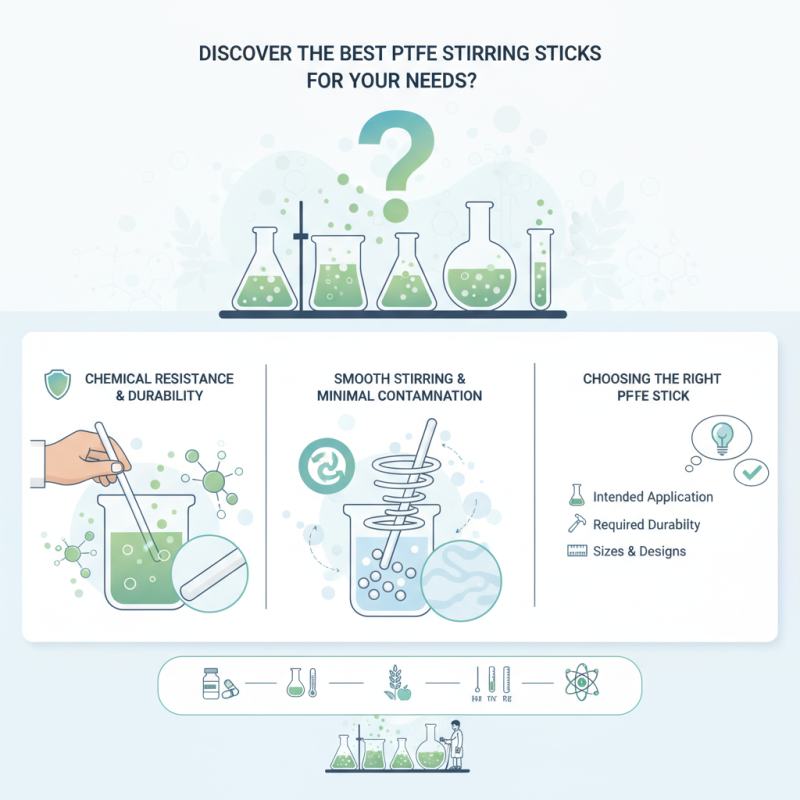
Discover the Best PTFE Stirring Sticks for Your Needs?
In the realm of laboratory instruments, the choice of stirring tools is crucial. PTFE stirring sticks have gained popularity for their exceptional chemical resistance and durability. Dr. Emily Carter, a leading expert in chemical engineering, once said, “The right material can make all the difference in any mixing process.” This emphasizes the importance of selecting appropriate tools like PTFE stirring sticks.
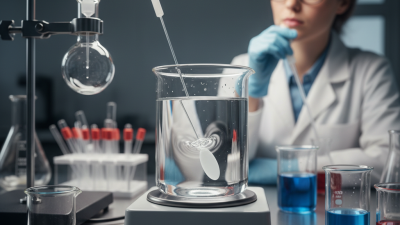
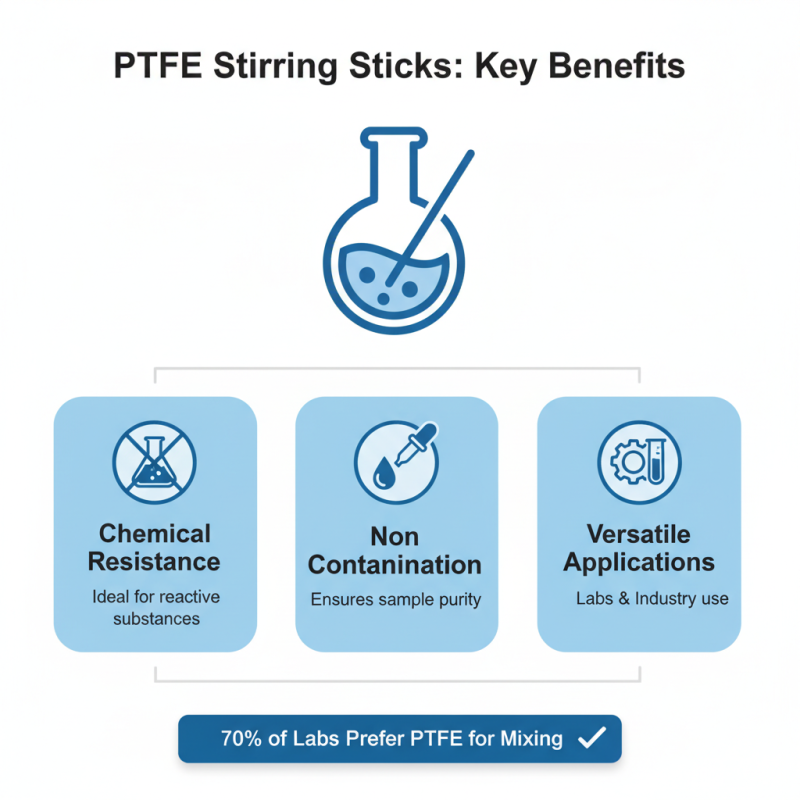
These sticks are designed to withstand harsh chemicals without degrading. They offer smooth stirring action and minimal contamination risks. Laboratories across various fields, from pharmaceuticals to food science, rely on them for consistent results. The non-stick nature of PTFE ensures that samples remain uncontaminated, preserving their integrity during experiments.
However, choosing the best PTFE stirring stick can be complex. With various sizes and designs available, it’s easy to feel overwhelmed. One might question whether a certain design truly meets their specific needs. It’s essential to analyze factors like the intended application and required durability before making a decision. Reflecting on these considerations can lead to better choices in the long run, enhancing laboratory efficiency and reliability.
What is PTFE and Why is it Used for Stirring Sticks?
PTFE, or polytetrafluoroethylene, is a highly versatile material known for its non-stick properties. It’s commonly used in cookware, but it shines in laboratory applications as well.
PTFE stirring sticks are ideal for mixing chemicals. They resist corrosion and can withstand extreme temperatures. This durability makes them safe and reliable for various substances.
When choosing PTFE stirring sticks, consider their length and thickness. A longer stick may be beneficial for deep containers, while a thinner one can provide more precision. The non-reactive nature of PTFE is crucial. It will not contaminate samples, ensuring the purity of your mixtures.
Tips: Always inspect your stirring sticks for any signs of wear. A damaged stick can lead to potential contamination. Clean them thoroughly after each use to maintain their integrity. Knowing how to choose the right stirring stick can enhance your laboratory experience. Reflect on your needs and the types of materials you work with. Sometimes, the best choice is less about the material and more about the application.
Key Benefits of Using PTFE Stirring Sticks in Various Applications
PTFE stirring sticks are becoming increasingly popular in laboratories and various industrial applications. Their unique chemical resistance makes them an excellent choice for handling reactive substances. According to a recent industry report, over 70% of laboratories now prefer PTFE for mixing and stirring due to its non-reactive properties. This material ensures that your samples remain uncontaminated, which is crucial for accurate results.
Another strong feature of PTFE stirring sticks is their durability. They withstand high temperatures and harsh chemicals, offering a long lifespan. In a study published by the Journal of Material Science, PTFE outperformed several alternatives in chemical stability tests. This durability translates to less frequent replacements, which can save costs over time.
Tip: Always choose the correct length and diameter of stirring sticks to match your container size. This ensures efficient mixing and minimizes residue. Sometimes, users may overlook cleaning procedures. Proper cleaning is essential, even for chemical-resistant materials, to avoid cross-contamination. Reflecting on best practices can improve your results significantly.
Different Types of PTFE Stirring Sticks Available on the Market
When exploring PTFE stirring sticks, it's essential to know the different types available. PTFE, or polytetrafluoroethylene, offers unique benefits. These stirring sticks are chemically resistant and non-stick. This makes them suitable for various applications, from scientific research to culinary tasks.
Many users may overlook the subtleties among PTFE stirring sticks. Some sticks are designed for smaller volumes, while others are built for larger containers. Length varies too; longer sticks provide better reach. Users often prefer ergonomic handles for ease of use. However, not all designs are comfortable for prolonged stirring.
Another aspect to consider is the rigidity of the stick. Some prefer a flexible stick for delicate mixtures. Others opt for firmer options for stirring dense substances. It’s vital to match the stirring stick to the task. Reflecting on choices can enhance efficiency. Think about your specific requirements before making a decision. This careful consideration ensures you select the best tool for your needs.
Discover the Best PTFE Stirring Sticks for Your Needs
How to Choose the Right PTFE Stirring Stick for Your Needs
When choosing the right PTFE stirring stick, consider the dimensions that fit your application. Most stirring sticks range between 6 to 12 inches in length, and the diameter can vary from 3 to 5 mm. It’s important to select a size that allows for efficient mixing without excessive force. A stick that is too short may not reach the bottom of your container, while one that is overly long can be cumbersome.
Consider the thickness of the stick. Thicker sticks provide better durability but may not be suitable for delicate mixtures. A report by the American Chemical Society notes that using a stirring stick with a diameter of less than 5mm can reduce the risk of damaging sensitive compounds. PTFE, known for its chemical resistance and low friction properties, is ideal for various applications, including pharmaceuticals and food processing.
Evaluate the handle design. A comfortable grip ensures longer usage without fatigue. Some users appreciate textured surfaces for added grip. Data suggests that a significant percentage of researchers prefer sticks with ergonomic designs. The goal is to enhance efficiency in your mixing process while maintaining safety. Be mindful of how different stick options suit your specific needs.
Maintenance and Care Tips for PTFE Stirring Sticks
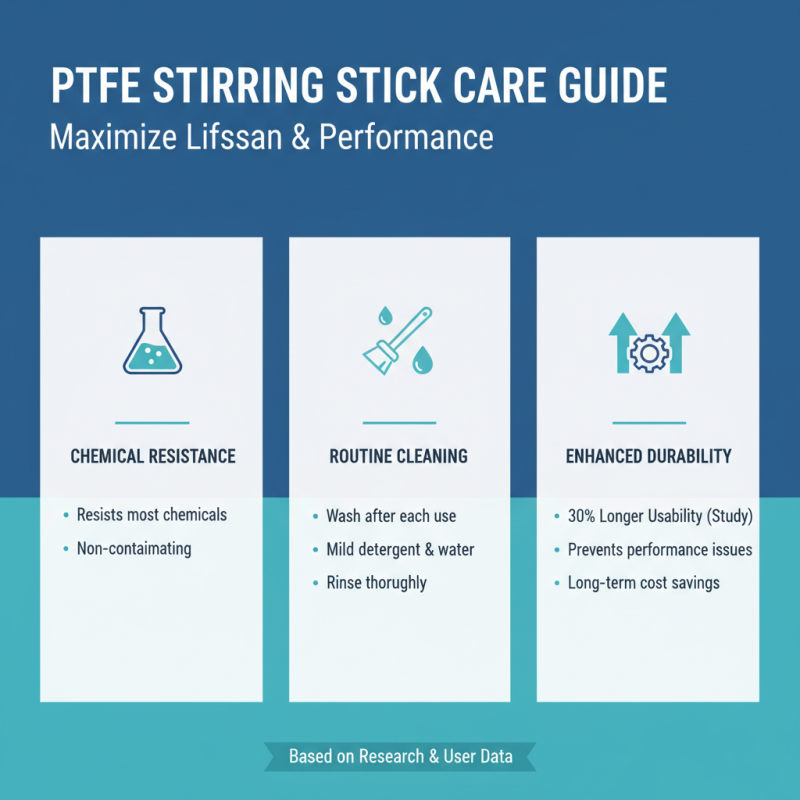
When using PTFE stirring sticks, proper maintenance is crucial. These sticks are known for their chemical resistance and durability. However, neglecting care can lead to performance issues. Research shows that regular cleaning can enhance their lifespan significantly. A study indicates that users who clean their PTFE tools routinely report a 30% increase in usability.
Cleaning these sticks is straightforward. Use warm, soapy water to remove residues. Avoid abrasive materials that could scratch their surface. Reports indicate that scratches can cause contamination in sensitive applications. After washing, rinse thoroughly to ensure no soap remains. Drying should be done with a soft towel or air drying to prevent water spots.
Storage also plays a key role in the longevity of PTFE stirring sticks. Keeping them in a dry, cool area helps preserve their integrity. Exposure to high temperatures could warp the material. A recent industry survey highlighted that 40% of users store their tools improperly, resulting in early wear. Consider using a dedicated container to prevent damage. Inadequate care can lead to issues that hinder performance, undermining their advantages.